live a happy life

Many of us rely on a morning cup of coffee or a jolt of caffeine in the afternoon to help us get through the day.

Friday, 2 March 2018

BREAST CANCER

What is breast cancer?

Breast cancer is the most common cancer among women, after skin cancer. One in eight women in the United States (roughly 12%) will develop breast cancer in her lifetime. It is also the second leading cause of cancer death in women after lung cancer. Encouragingly, the death rate from breast cancer has declined a bit in recent years, perhaps due to greater awareness and screening for this type of cancer, as well as better treatments.
Breast cancer is a disease that occurs when cells in breast tissue change (or mutate) and keep reproducing. These abnormal cells usually cluster together to form a tumor. A tumor is cancerous (or malignant) when these abnormal cells invade other parts of the breast or when they spread (or metastasize) to other areas of the body through the bloodstream or lymphatic system, a network of vessels and nodes in the body that plays a role in fighting infection.
Breast cancer usually starts in the milk-producing glands of the breast (called lobules) or the tube-shaped ducts that carry milk from the lobules to the nipple. Less often, cancer begins in the fatty and fibrous connective tissue of the breast.
New cases of breast cancer are about 100 times more common in women than in men, but yes, men can get breast cancer too. Male breast cancer is rare, but anyone with breast tissue can develop breast cancer.

What causes breast cancer?

Breast cancer is caused by a genetic mutation in the DNA of breast cancer cells. How or why this damage occurs isn’t entirely understood. Some mutations may develop randomly over time, while others are inherited or may be the result of environmental exposures or lifestyle factors.
Most breast cancers are diagnosed in women over age 50, but it’s not clear why some women get breast cancer (including women with no risk factors) and others do not (including those who do have risk factors).
Some breast cancer risks may be preventable. Of course, you cannot control every variable that may influence your risk. Here are the key breast cancer risk factors to know.
  • Age and gender. If you are a woman and you’re getting older, you may be at risk of developing breast cancer. The risk begins to climb after age 40 and is highest for women in their 70s.
  • Family history. Having a close blood relative with breast cancer increases your risk of developing the disease. A woman’s breast cancer risk is almost double if she has a mom, sister, or daughter with breast cancer and about triple if she has two or more first-degree relatives with breast cancer.
  • A breast cancer gene mutation. Up to 10% of all breast cancers are thought to be inherited, and many of these cases are due to defects in one or more genes, especially the BRCA1 or BRCA2 genes. (Scientists are studying several other gene mutations as well.) In the U.S., BRCA1 and BRCA2 mutations are more common in Jewish women of Eastern European descent. Having these defective genes doesn’t mean you will get breast cancer, but the risk is greater: A woman’s lifetime risk of breast cancer with a BRCA1 gene mutation, for example, may be more like 55% to 65% compared to the average 12%.
  • Breast changes and conditions. Women with dense breasts or with a personal history of breast lumps, a previous breast cancer, or certain non-cancerous breast conditions are at greater risk of developing breast cancer than women who do not have these conditions.
  • Race/ethnicity. White women are slightly more likely to develop breast cancer than Asian, Hispanic, and African American women. But African American women are more likely to develop more aggressive breast cancer at a younger age and both African American and Hispanic women are more likely to die from breast cancer than white women.
  • Hormones. Women with early menstrual periods (starting before age 12) and late menopause (after age 55) are at greater risk of getting breast cancer. Scientists think their longer exposure to the female hormone estrogen may be a factor, because estrogen stimulates growth of the cells of the breast. Likewise, use of hormone therapy after menopause appears to boost the risk of breast cancer. Oral birth control pills have been linked to a small increase in breast cancer risk compared with women who never used hormonal contraception. But that risk is temporary: More than 10 years after stopping the pill, a woman’s breast cancer risk returns to average.
  • Weight. Women who are overweight or obese after menopause are more likely to get breast cancer. The exact reason why isn’t clear, but it may be due to higher levels of estrogen produced by fat cells after menopause. Being overweight also boosts blood levels of insulin, which may affect breast cancer risk.
  • Alcohol consumption. Studies suggest women who drink two or more alcoholic beverages a day are 1 1/2 times more likely than non-drinkers to develop breast cancer. The risk rises with greater alcohol intake, and alcohol is known to increase the risk of other cancers too. For that reason, the American Cancer Society (ACS) recommends that women stick to one drink a day–or less.
  • Radiation exposure. A woman’s risk of developing breast cancer may be higher than normal if she had chest radiation for another disease as a child or young adult.
  • Pregnancy history. Having no children or having a first child after age 30 may increase your risk of breast cancer.
  • DES exposure. Women who were given the now-banned drug diethylstilbestrol to prevent miscarriage decades ago face a slightly increased risk of breast cancer, as do their daughters.
Scientists are studying a slew of other factors to determine what role, if any, they may play in the development of breast cancer. There’s not enough evidence to say for sure whether smoking, dietary fat, or environmental exposure to certain chemicals, for example, ramp up the risk for breast cancer because study results to date are mixed.

Breast cancer symptoms

Breast cancer symptoms vary from one person to the next. Knowing what your breasts normally look and feel like may help you recognize possible signs and symptoms.
What does breast cancer feel like? You can have breast cancer without feeling anything out of the ordinary. But, if you find an area of thickening breast tissue, a lump in your breast (usually painless, but not always) or an enlarged underarm lymph node, see your physician.
What does breast cancer look like? You may notice a change in the shape or size of your breast. You could have an area of skin that dimples or a nipple that leaks fluid.
Often, there are no early warning signs of breast cancer. Even if you develop a lump, it may be too small to feel. That’s why breast cancer screening, typically using mammography, is so important. Early signs and symptoms of breast cancer that some women and men might experience include:
  • New lump in the breast or armpit, with or without pain. Lumps are often hard but can be soft as well. (Not all lumps are breast cancer. Some lumps may be noncancerous changes or benign, fluid-filled cysts, but they should be checked by your physician.)
  • Change in breast size or shape. Look for swelling, thickening, or shrinkage, especially in one breast.
  • Dimpling, pitting, or redness. Breast skin may take on the appearance of an orange peel.
  • Peeling, flaking, or scaling breast skin.
  • Red, thick, or scaly nipple.
  • Breast, nipple, or armpit pain.
  • Inverted nipple. Look for a nipple that turns inward or flattens.
  • Nipple discharge. It may be clear or bloody.
  • Redness or unusual warmth. This can be a sign of inflammatory breast cancer, a rare and aggressive form of the disease.
  • Swollen lymph nodes under the arm or around the collarbone, which could be a sign that breast cancer has spread.

Breast cancer screening and diagnosis

With breast cancer, early detection is key. The earlier the disease is diagnosed the less it has progressed, and the better the outcome with treatment.

Screening for breast cancer

A screening mammogram (a type of breast X-ray) can identify the presence of cancer, often before symptoms arise. Women at high risk for breast cancer may also be screened with other imaging tests, like a breast MRI.
Medical organizations and breast cancer advocacy groups urge women to undergo routine screening to find and treat breast cancer early. But experts do not agree on exactly when to begin screening or how frequently women should be tested.
The National Comprehensive Cancer Network (an alliance of cancer centers) recommends annual screening beginning at age 40.
The ACS says women ages 40 to 44 should have the option to begin screening every year. It recommends annual screening for women ages 45 to 54. At 55, a woman can decide to continue annual screening or go for her mammogram every other year for as long as she is healthy and has 10 more years of life to live.
The U.S. Preventive Services Task Force advises women 40 to 49 to talk to their health care provider about when to start screening and how often to be screened. For women 50 to 74, it recommends a mammogram every two years.
Women at high risk of developing breast cancer should be screened earlier and more often. The ACS recommends annual mammograms and breast MRIs starting at age 30 for women with a higher-than-average risk of developing breast cancer, including those with a known breast cancer gene mutation or a first-degree relative with an inherited breast cancer gene mutation.

Since men have less breast tissue and less breast cancer, they are not routinely screened for the disease. If there is a strong family history of breast cancer or a known breast cancer gene mutation in the family, a man might consider having genetic testing to see if he has a mutation that increases his risk for male breast cancer.
Men who are at high risk for breast cancer should talk to their health care provider about having their breasts examined during routine checkups and doing breast self-exams.
Male or female, it is helpful to know what your breasts normally look and feel like so that you can report any changes to your doctor. The American College of Obstetricians and Gynecologists recommends “breast self-awareness,” meaning knowing what’s normal for your own breasts and paying attention to any changes you may feel.
Regular breast self-exams are no longer recommended as a routine screening method for women because there isn’t sufficient evidence that they offer any early detection or survival benefits.
But should women still have their breasts examined by a doctor every year? Some medical groups see no clear benefit of a clinical breast exam, while others continue to recommend one every year as part of a routine checkup.

Diagnosing breast cancer

An abnormal finding on a screening mammogram or discovering a lump or other breast changes doesn’t necessarily mean you have breast cancer.
First, your doctor will need to perform follow-up testing using one or more types of scans. A diagnostic mammogram, which involves more X-rays than a screening mammogram, can offer a more detailed view of the area of concern. Two other tests, a breast MRI or a breast ultrasound, may be ordered to gather additional diagnostic information.
There is only one way to confirm a cancer diagnosis. You will need a biopsy to extract cells or tissue from the area of the breast that is causing concern. A fine needle may be used to remove cells or tissue, or you may undergo a surgical procedure to remove a piece of breast tissue.
A pathologist will use these specimens to look for cancer under a microscope and may perform additional testing on the tissue sample. The pathology findings can confirm whether or not you have breast cancer and what your chances of beating it–your prognosis–may be. This information can help your medical team (your doctor, your surgeon, your radiologist, and other providers) determine the best course of treatment.

Types of breast cancer

You and your doctor need to know the type of breast cancer you have to get the best outcome. Your treatment will depend on where your cancer started, whether it has invaded other breast tissue or spread to other parts of your body, and whether hormones like estrogen or progesterone fuel its growth, among other factors.
Most breast cancers are carcinomas, or cancers that start in cells lining the organs or tissues. “In situ” breast cancers haven’t spread to surrounding tissue, which makes them more treatable, while “invasive” breast cancers have invaded surrounding tissue. “Metastatic” breast cancer means it has spread to other parts of your body, such as the lungs, bones, liver, or brain. And “recurrent” breast cancer means breast cancer has returned.
Ductal carcinoma in situ (DCIS)
This highly treatable pre-cancer (sometimes called “stage 0” breast cancer) starts in a milk duct. It’s the most common type of non-invasive breast cancer, meaning the cells are abnormal but haven’t spread to the surrounding tissue. Over time, DCIS may progress to invasive breast cancer.
Invasive ductal carcinoma (IDC)
This is the most common breast cancer, accounting for 80% of all invasive breast cancer diagnoses. Also called “infiltrating ductal carcinoma,” IDC starts in a milk duct, breaks through the duct wall, and invades the surrounding breast tissue. It can spread to other parts of the body as well. There are also several subtypes of IDC, which are categorized based on features of the tumors that form.
Invasive lobular carcinoma (ILC)
This type of breast cancer begins in the milk-producing glands, called lobules. Also known as “infiltrating lobular carcinoma,” ILC can spread beyond the lobules into surrounding breast tissue and metastasize to other parts of the body. It accounts for about 10% of invasive breast cancers.
Lobular carcinoma in situ (LCIS)
LCIS, also called lobular neoplasia, starts in the milk-producing lobules. Technically, it’s not breast cancer (even though it has carcinoma in its name), but rather a collection of abnormal cells. People with LCIS are more likely to develop breast cancer in the future.
Inflammatory breast cancer (IBC)
This rare, aggressive type of breast cancer causes redness and swelling of the breast. The affected breast can feel warm, heavy, and tender. The skin may become hard or ridged like an orange rind. See a doctor right away if you have these symptoms. Inflammatory breast cancer tends to strike five years earlier, on average, than other types of breast cancer, and it might not show up on a mammogram. African American women are at greater risk for IBC than white women.
Paget disease of the breast (or the nipple)
This rare cancer affects the skin of the nipple and the darker circle of skin, called the areola, surrounding it. People with Paget disease may notice the nipple and areola becoming scaly, red, or itchy. They may also notice yellow or bloody discharge coming from the nipple. Most people who have this condition also have one or more tumors (either DCIS or invasive cancer) in the same breast.
Metaplastic breast cancer
This rare, invasive breast cancer begins in a milk duct and forms large tumors. It may contain a mix of cells that look different than typical breast cancers and can be more difficult to diagnose.
Angiosarcoma of the breast
This quickly growing cancer is rare. It is usually a complication of a prior radiation treatment of the breast.

Breast cancer subtypes

Breast cancers can also be classified by their genetic makeup. Knowing your cancer’s hormone receptor and HER2 status can help guide treatment.
Hormone receptor positive breast cancer
Some breast cancers are fueled by the hormones estrogen and/or progesterone. Some are not. Knowing whether your cancer is sensitive to these hormones is a crucial piece of the treatment equation. Hormone receptor-positive breast cancer cells have proteins called hormone receptors that attach to estrogen and/or progesterone circulating in your body. Hormonal therapies may be used to fight hormone receptor-positive breast cancer. All invasive breast cancers and DCIS should be tested for hormone status, according to the ACS.
HER2-positive breast cancer
Some breast cancers have higher levels of a protein that promotes cancer growth called human epidermal growth factor receptor 2 (HER2). Using certain medicines that target HER2 can help kill the cancer.
Triple negative breast cancer
Triple negative breast cancer is estrogen receptor-negative, progesterone receptor-negative, and HER2-negative. Using hormone therapies or HER2 drugs will not slow these aggressive cancers. Triple negative breast cancer is more common among Hispanic and African American women, as well as younger women.
Triple positive breast cancer
Cancers that are positive for estrogen receptors, progesterone receptors, and HER2 can be treated with hormone therapies and drugs that target HER2.

Breast cancer stages

All breast cancers are assigned a stage based on biopsy results plus other findings from blood tests and imaging scans. Staging can help you and your medical team make decisions about appropriate treatment and understand your chances of survival.

Breast cancer stages reflect the size of the tumor, whether it is invasive, whether it has reached the lymph nodes (glands that are part of the body’s immune system), and whether it has spread to other parts of the body.
Stage 4 breast cancer
At Stage 4, breast cancer has traveled to distant sites in the body, often the bones, liver, brain, or lungs. This is called metastatic breast cancer. Although this stage is considered incurable, new treatments allow patients to live longer with their disease.
Stage 3 breast cancer
Stage 3 breast cancer is an advanced cancer. It’s in the lymph nodes but has not spread to other organs. This stage is divided into three categories, 3A, 3B and 3C, based on the size of the tumor and how many and which lymph nodes are involved.
Stage 2 breast cancer
At Stage 2, breast cancer is growing but is only in the breast or nearby lymph nodes. This stage has two categories, 2A and 2B, based on how large the tumor is and whether or not it has spread to nearby lymph nodes.
Stage 1 breast cancer
Stage 1 is an invasive cancer, meaning it is invading healthy breast tissue, but it has not spread outside the breast. This stage also has two categories, 1A and 1B, based on whether there is any evidence of small clusters of breast cancer cells in nearby lymph nodes.
Stage 0 breast cancer
Also called pre-cancer, this is the earliest stage of breast cancer. It involves abnormal cells that have not spread into breast tissue from the ducts or lobules where they began. Stage 0 breast cancer also has not spread to lymph nodes or other parts of the body. Stage 0 breast cancer is non-invasive, like ductal carcinoma in situ (DCIS).

Breast cancer treatment

Breast cancer treatment regimens differ widely based on the type of cancer, its stage, its sensitivity to hormones, the patient’s age and health, and other factors. Treatments for men and women are similar.
Surgery and radiation therapy are mainstays of breast cancer treatment. These are known as “local therapies” because they target the tumor without affecting the rest of the body.
With a breast-conserving surgery called a lumpectomy, only the portion of the breast containing cancer is removed. A mastectomy involves removing the entire breast and possibly some of the surrounding tissue. Lymph nodes may be removed as part of breast cancer surgery or a separate operation.

Radiation therapy uses high-energy waves to kill cancer cells and shrink tumors. It may be recommended for patients who have breast cancer surgery or whose cancer has spread to other parts of the body.
Cancer-killing chemotherapy medicines are delivered intravenously (into a vein) or taken by mouth. Chemo may be given before or after surgery. It’s also used in treating advanced cancer cases. Because these medicines travel through the bloodstream, they can have significant side effects, including mouth sores, hair loss, nausea, vomiting, and diarrhea.
Some breast cancers are sensitive to hormones produced in the body. In these hormone receptor-positive breast cancers, estrogen and/or progesterone fuels cancer growth. Hormone therapy can lower the body’s estrogen levels or stop hormones from binding to cancer cells. This category of breast cancer treatment includes the oral medicine tamoxifen, which is often given after surgery to women with hormone receptor-positive breast cancer.
Newer medicines, called targeted therapies, specifically attack cancer cells while sparing normal cells, meaning patients experience fewer side effects. Trastuzumab (Herceptin), for example, is a drug that starves HER2-positive breast cancers by blocking the HER2 protein.
Treatment outcomes may depend on the stage of cancer, a patient’s response to treatment, and other factors.
Generally speaking, stage 0 and 1 breast cancers are highly treatable. The five-year survival rate for women diagnosed with breast cancer in these early stages is close to 100%. At stages 2 and 3, some 93% and 72% of women, respectively, can expect to live at least five years after being diagnosed with breast cancer. Stage 4 or metastatic breast cancer is difficult to treat. The five-year survival rate is about 22%.
For men with breast cancer, the five-year survival rates are similar: 100% for stages 0 and 1, 91% for stage 2, 72% for stage 3, and 20% for stage 4.
Remember, breast cancer statistics are just averages. They don’t reflect an individual patient’s experience.

Breast cancer prevention

While no one can tell you how to prevent breast cancer with any sort of guarantee, there’s evidence to suggest that certain healthy lifestyle changes can lower your breast cancer risk.
  • Limit your alcohol intake. The more you drink, the higher your risk of breast cancer.
  • Watch your weight. Being overweight or obese boosts your breast cancer risk.
  • Exercise. Women who work out regularly have a lower risk of breast cancer than less active women.
  • Consider breastfeeding your baby. Women who breastfeed have a lower risk of breast cancer than moms who do not breastfeed their children.
  • Reduce your hormone intake. Hormone therapy users are at higher risk for breast cancer. If you’re taking hormones to relieve menopausal symptoms, talk to your doctor about taking the lowest dose that works for you for the shortest time.

Thursday, 15 February 2018

Is It Dangerous to Eat Really Hot Peppers?

It’s standard for spicy food to cause your upper lip to sweat, your nose to run, and your mouth to feel like it’s on fire. But can eating hot peppers mess with your health post-meal? The question is worth considering, especially as the ALS Pepper Challenge (AKA the Ice Bucket Challenge 2.0) gains popularity.
Stars like Kelly Clarkson and Shaquille O’Neal have been spotted swallowing spicy stuff for the challenge, which aims to raise awareness and funds for the neurodegenerative disease. But while we watched them struggle to chomp on crazy hot peppers, we couldn’t help but wonder: What makes chilies so darn fiery and are they even safe to nosh on in excess? Here, we pepper nutritionist Wendy Bazilian, DrPH, with all our burning questions. Read the below before you eat a heap of habaneros.


What makes peppers so hot?


The main compound that gives chilies their signature kick is a phytonutrient called capsaicin. “Capsaicin attaches to the receptors on the taste buds that detect temperature and sends signals of spicy heat to the brain,” explains Bazilian, who’s also the author of Eat Clean, Stay Lean.
The amount of heat a pepper packs has to do with the level of capsaicin it contains. To figure out how spicy a certain type of hot pepper is, adventurous eaters can refer to the Scoville scale, which ranks varieties from most to least spicy based on their capsaicin concentration. The scale ranges from standard bell peppers that have no capsaicin to ghost peppers and the Trinidad scorpion–the spiciest chilies around.

Dangers of eating hot peppers


“It’s a bit of a myth that hot peppers can actually create physical damage to the esophagus or tongue,” says Bazilian. But that doesn’t mean there are no dangers associated with noshing on fiery foods. Why? When we eat very hot peppers, the brain receives "pain" signals that can result in an upset stomach, nausea, or vomiting, says Bazilian. The stomach reacts as if you've consumed a toxic substance and works to release whatever was just eaten–i.e. spicy peppers–stat.
“If vomiting occurs, the acid that comes up from the stomach can irritate the esophagus,” explains Bazilian. Depending how hot a pepper is, that irritation can cause serious damage. Back in October 2016, one man actually burned a hole in his esophagus after consuming (and subsequently retching) ghost peppers during an eating contest. Other potential reactions to eating super-spicy peppers include numbness and breathing difficulties.

Health benefits of hot peppers


To complicate things, eating hot peppers can also deliver health benefits. Research suggests that certain capsaicin-rich ingredients, like cayenne pepper, can help eaters slim down by curbing appetite and revving the body’s calorie-burning abilities. What’s more, cayenne has also been shown to help clear sinuses, ease pain, and curb the growth of some bacteria.
To reap the benefits of hot peppers, choose varieties that aren’t too high on the Scoville scale and consume them in tasty meals, rather than straight up. “This way the impact on the tongue, esophagus, and stomach is less, too,” says Bazilian.

Health benefits of hot peppers


To complicate things, eating hot peppers can also deliver health benefits. Research suggests that certain capsaicin-rich ingredients, like cayenne pepper, can help eaters slim down by curbing appetite and revving the body’s calorie-burning abilities. What’s more, cayenne has also been shown to help clear sinuses, ease pain, and curb the growth of some bacteria.
To reap the benefits of hot peppers, choose varieties that aren’t too high on the Scoville scale and consume them in tasty meals, rather than straight up. “This way the impact on the tongue, esophagus, and stomach is less, too,” says Bazilian.

Massage Can Help Treat Lower Back Pain


Lower back pain is the leading cause of job disability in the world. About one in ten people have it, and for many who develop back pain, the condition becomes chronic.
Now, a new study finds that massage may provide lasting relief for chronic lower back pain, according to research published in the journal Pain Medicine.

To see how people in the real world respond to massage, researchers looked at 104 people with persistent back pain who were referred by their doctors to licensed massage therapists. They went to 10 sessions over 12 weeks, and the practitioners were free to design massage programs that were individual to the patients, rather than all using the same technique.

At the end of the study, most people completed a questionnaire, and more than 50% reported clinically meaningful improvement in their back pain. Several people improved so much that their scores on a standard screening test dropped below the threshold for disability, says lead author Niki Munk, an assistant professor of heath sciences at Indiana University-Purdue University Indianapolis. (Munk, who is also a licensed massage therapist, conducted the research while at the University of Kentucky.)


Many of those improvements lasted. Three months later, with no further massage sessions, 75% of the people who reported initial improvement said they still felt better. “They’d reverted back a little bit, but they were still significantly more improved than they were at the start of the study,” says Munk.
More research is needed to figure out exactly how massage works to reduce pain, but some research suggests that massage directly reduces inflammation in muscles.
Munk points out that the study included a diverse group of patients; some were obese, some had other health conditions that contributed to their back pain and others were taking opioid pain medications. “They reflect real-life,” Munk says. When a patient comes in with chronic lower back pain, it’s rare that they don’t have more, she says.
The researchers saw improvement across the board, but they did notice a few trends based on demographics. Adults ages 49 and older were more likely to meaningfully improve than younger patients. While people with obesity tended to improve, those gains didn’t last over time. And people taking opioids were two times less likely to experience meaningful changes, compared to those not taking them.

However, the researchers note, massage is rarely covered by health insurance. While study participants received their sessions free of charge, people who can afford it will need to weigh the costs with potential benefits.
That’s why more studies are needed, says Munk: to help people decide whether massage is really worth the out-of-pocket cost. Future research should investigate whether massage can help people avoid back surgeries, she says, and how many sessions are really needed to provide lasting improvement.

5 Moves to Prevent Back Pain

Back pain is super common, especially as our lifestyles are becoming increasingly sedentary. Do not despair! There are ways to prevent and even lessen the effects of back pain. Watch this video to learn five exercises that you can add into your daily routine to strengthen your core and keep the aches and pains at bay.
Don’t have time to watch? Here’s the full transcript:
Back pain is super common, especially if you work at a desk, or if you don’t have a regular fitness routine. The best way to tackle it is by strengthening your core. So, here are five moves to help prevent back pain.
Bird dog: This move is great for working your core. I especially like it because it works your cross-body myofascial chain. You're going to come into your tabletop position. Hands are stacked under your shoulders. Knees are underneath your hips. You're going to find a neutral spine so you're not pressing up or sinking down, right in the middle. I want you to reach your right hand forward, left leg back. Really reach toward opposite sides of the room, then come back through neutral and switch sides.


Forearm plank reach: This move is a moving forearm plank that forces you to activate your core as you move to different positions. You’re going to come onto your elbows and find a nice, solid core. I like to widen my feet so I’m super stable. From here, you’re going to reach one hand forward, and then alternate. Notice that my hips are not moving. That is your goal, to keep your hips nice and still, and parallel to the ground.
World’s greatest stretch: This move is great because it opens up both your hips and your back. Often times, back pain can be the result of tightness in other areas of your body such as your upper back or your hips, so you want to stretch them. Come into a plank, bring your hands underneath your shoulders, you’re going to bring your right foot up to meet your right hand, and then you’re going to twist open. You’re going to make sure that left leg stays straight by squeezing your butt. Then you’re going to switch sides. Left foot to left hand, open up, and repeat.


Spinal twist: This move is a twist designed to open up your T-spine, which is your middle spine. So to prevent back pain, you want to create stability in your lower spine and mobility in your middle spine.
Come down to the ground and bring your knees into your chest. Stack your shoulders and your hands on top of each other, and then you’re going to open up, reaching that top hand towards the back wall and then back. Make sure you do it on both sides.
Hollow hold leg twist: For this move, you will just need a towel—fold it in half and then roll it up. Place it underneath your lower back and then lie down against it.


Engage your core. You can bring your neck off the ground. Then do a hollow hold with alternating legs. The towel is there for you to press into, give you some feedback, and make sure you’re activating your lower core. 

6 Foods to Eat If You Want to Feel Sexier (And Who Doesn't?!)

You already know that chocolate has a reputation as a potent aphrodisiac, thanks in part to its high caffeine and antioxidant content and melt-in-your-mouth texture. No wonder chocolate in all forms is tempting you in store windows and on your social feed right now, as Valentine's Day is about to arrive.
But chocolate isn't the only food that can prime you physically or mentally for a bedroom session. Plenty of others can also put you in a let's-get-it-on kind of mindset, research suggests. Some amp your libido and energy, others give you a mood boost, and some simply have a silky, sensual deliciousness that makes you feel relaxed and indulgent. If you're hoping for some sexytime this Valentine's Day, put these six expert-recommended aphrodisiacs on your menu.

Olive oil


Ancient Greeks considered olive oil to be a cure for impotence, and they're clearly onto something. Rich in monosaturated fats, this oil can help increase blood flow, says nutritionist Julie Upton, RD. Better blood flow means more energy and circulation, which can make you feel more aroused.

Maca powder


Maca is a South American plant cultivated in the Andes for thousands of years. Newly trendy as a powder you can add to soups, acai bowls, and smoothies, a preliminary study suggests that it can pump libido—perhaps because it's such a nutritional superstar, loaded with energy- and libido-boosting amino acids, zinc, and iron.

Bivalves


Oysters have long been considered an aphrodisiac, but they're not the only seafood that can ignite desire. Upton says that scallops, mussels, and clams all contain two specific amino acids that increase sex hormone production in men and women. There's one catch though: These bivalves "must be eaten raw to score the nutritional benefits," notes Upton. Good thing oysters and scallops can be consumed uncooked, she says.

Almonds


A candle-lit steak dinner may sound super romantic, but plant-based protein is actually the best for your sexual health. The top choices? "Choose nuts," suggests Upton, who adds that the monosaturated fat in tree nuts such as almonds makes them excellent for heart health—as well as the health of your private parts, since they help improve blood flow down below, she says. Consume almonds as a snack, blend them into smoothies, or add them to your main course as a topping or crunchy crust.

Red pepper


Chefs add hot peppers to spice up a dish—and they can spice you up as well. Red chile peppers fire up nerve endings, make you sweat, and give you an adrenaline-boosting energy surge you can put to good use in the bedroom. Like all spices, they also have anti-inflammatory properties and make you feel more healthy overall, says Upton.

Tofu


Soy-based foods like tofu are high in protein, providing a steady energy surge to power sexual stamina. Soy products are also low in saturated fat and can increase blood flow and potentially boost arousal. And though it's controversial, some studies have suggested that the natural estrogen in soy-based foods, phytoestrogens, can supplement your own natural estrogen, possibly affecting arousal.
Just as important as what you eat, however, is who you're enjoying your food with and the atmosphere you're dining in. Those environmental factors can make it so a food that doesn't have any known aphrodisiac powers still leaves you feeling sexy. "The good news is your brain is the largest sex organ," says Donnica Moore, MD, a gynecologist and host of the podcast In the Ladies Room With Dr. Donnica. "If a pleasant memory from your past involved a particular food, the next time you eat it you may associate it with sexual desire."

Cucumber Mint Tonic


A lot of digestive issues can be caused by inflammation; that area of the body gets very hot,” says Axe. “Cucumber and mint are both very cooling.” Research shows mint may help relieve IBS by soothing pain from inflammation in the GI tract.

Recipe Is:
Meatless

Friday, 9 February 2018

Interesting Benefits Of Sunflower

Sunflowers have abundant health benefits that ensure a healthy life in the long run. You can reap the health benefits of sunflowers in two different ways; one way is with sunflower seeds and the other is from sunflower oil. Sunflower seeds improve digestionbrain power, and the functioning of the cardiovascular system; they are rich in magnesiumpotassiumseleniumzinc, and iron. On the other hand, sunflower oil prevents heart diseases and is a great skin moisture retainer.
The beautiful sunflower plant, with its bright yellow petals is a great treat to the eyes. These petals have a seed-studded center, which is grayish-green in color. These seeds are encased in teardrop-shaped gray or black shells with black and white stripes. Sunflower seeds have a high oil content and have been one of the primary sources used to extract polyunsaturated oil. The sunflower seeds with shells have a mild nutty taste and a tender texture.

Health Benefits Of Sunflower Seeds

Sunflower seeds are very low in cholesterol and sodium, thereby protecting your heart. These seeds are a good source of vitamin B6, thiamin, magnesium, copperphosphorusmanganese, selenium, and vitamin E (Alpha Tocopherol). To keep your daily nutrition upright, you should opt for these seeds. They are also very good for your digestion and brain health.

Prevent Cellular Damage

Sunflower seeds are rich in vitamin E, which is a vital component of your day-to-day nutritional needs. These seeds are great antioxidants that stop the extensive spread of free radicals within the human body, as free radicals can lead to a variety of cellular damage and diseases. Sunflower seeds are rich in vitamin E, which aids in a proper functioning of the circulatory system. Vitamin E also helps the blood to clot readily when you experience external wounds, thereby helping speed up the healing process. Sunflower seeds also help to lower the risk of cardiac diseases and diabetes. The selenium present in sunflower seeds repairs cellular damage and eliminates the spread of cancerous cells.

Improve Digestion

Sunflower seeds have a large amount of dietary fiber. If your body is deficient in fiber, you may experience a host of health problems like constipationpiles, hemorrhoids, colon cancer and many others. Severe digestive problems can even increase toxicity within your intestines. The recommended amount of fiber is around 30 grams per day for an adult. However, it has been noted in surveys that most people fail to consume even 15 grams per day. By including sunflower seeds in your diet, you can easily get a rich supply of the dietary fiber and reduce the possibility of digestion-related problems.

ncrease Energy Levels

Most athletes enjoy eating sunflower seeds, as these seeds offer high amounts of protein and carbohydrates. They aid the liver’s discharge of glycogen into the bloodstream, which (glycogen) is a form of sugar; thereby providing an extra boost of quick energy.

Strengthen Bones and Muscles

The iron in sunflower seeds distributes oxygen to your muscles, while zinc strengthens your immune system and helps you avoid coughs and cold. Magnesium is also essential for strong bones and energy production. Almost 2/3 of the magnesium in the human body is stored in the bones. Magnesium aids the bones in their physical structure and strength, while the remaining magnesium is found on the surface of the bones, which is used up by the body as required. The high magnesium content in sunflower seeds lowers your blood pressure; thus reducing the possibility of a heart attack or stroke.

SunflowerImprove Brain Health

It has been proven in several studies that sunflower seeds can actually have a calming effect on your brain and also help uplift your mood. This property of sunflower seeds is due to the high content of tryptophan present within the seeds. When you have foods containing tryptophan, it effectively increases your brain’s fabrication of serotonin, which is a neurotransmitter. Serotonin also effectively reduces tension, thereby creating a relaxed feeling. The choline content in these seeds plays a vital role in memory and vision functions.
Sunflower seeds have high amounts of betaine, which effectively protects against cardiovascular diseases such as high blood pressure. Moreover, the presence of arginine in these seeds is also responsible for a healthy heart. The lignans keep blood cholesterol at appropriate levels, thus preventing heart attacks and atherosclerosis.

Helpful During Pregnancy

Sunflower seeds are abundant in folate content, also known as folic acid, which is a type of vitamin B. Folate is very good for pregnancy, as it helps in the production of new cells in the body, thereby promoting the replication of DNA and RNA, which is very significant for the growth and development of the fetus. It works in association with vitamin B-12 to form hemoglobin in the red blood cells. By having enough folate in your body, you also lower your chances of heart ailments.

Health Benefits Of Sunflower Oil

Sunflower oil is probably most commonly heard whenever we discuss frying or cooking. It is a non-volatile oil produced from sunflower seeds. The most common use of sunflower oil is in frying, as well as in cosmetic formulations like lip balms and skin creams, as a soothing agent. Whenever we hear about someone having a heart attack, the first thought is that the person should exercise regularly and use sunflower oil brand for cooking. Various health awareness programs have spread the useful information that sunflower oil is the best option to keep your heart healthy even after consuming fried foods.
The health benefits of sunflower oil are almost same as that of sunflower seeds since the origin of sunflower oil is from the parent seeds. The monounsaturated and polyunsaturated fats present in sunflower oil provide energy and also reduce the risk of cardiovascular diseases. Like the seeds, sunflower oil also has choline and phenolic acid that prevent heart diseases.
It is believed that sunflower oil also has an important role to play in skin care. Some people use sunflower oil for massaging premature infants having low birth weight or other complications. It is claimed that this effectively lowers the chances of developing skin infections. Since their organs (including their skin) are in an underdeveloped stage, this oil acts as a protective barrier. However, sufficient scientific literature is not available on this benefit of sunflower oil.
Like the sunflower seed, sunflower oil is also rich in vitamin E. Thus, being an antioxidant, it counterbalances cancer-causing free radicals. Vitamin E also prevents asthma, rheumatoid arthritis, and colon cancer. While the magnesium content prevents muscle cramps, tryptophan helps in relaxing the brain and cures insomnia. Sunflower oil also has palmitic acid (used in anti-psychotic medicines), stearic acid, lecithin, tocopherols, carotenoids, and selenium. This oil is also rich in proteins, copper, iron, zinc, calcium, and omega-6 fatty acids.
In today’s fast-paced lifestyle and chronic levels of stress, along with commonly tedious professional lives, we hardly have time to check and consume nutritious foods, but by using sunflower oil in our kitchens we can at least improve the quality of cooking. A fatty diet, fast food, and a lack of exercise have the possibility of resulting in obesity. The generational trend is moving fast towards foods and meals with unhealthy ingredients that can have a lasting impact on your health. Many of these foods don’t provide any protein, vitamins, or essential nutrients. By incorporating sunflower oil into your diet, you can lead a healthy life by reaping its ultimate benefits, as discussed above. The majority of restaurants and food manufacturers are well aware of the health benefits of sunflower oil; whether they use it or not is their choice.
The versatility of this oil has prompted its usage to a wide extent. Sunflower oil can be used in extremely high cooking temperatures and keep the food fresh and healthy for a much longer time. Sunflower seeds also enrich your food’s flavor. They can be sprinkled over salads, cereals, soups, desserts, snacks, and can also be mixed with vegetables. To savor a tasty, healthy, and quick energy-giving snack, add sunflower seeds to any of your recipes.
sunflowerseedsinfo


Origin of Sunflower Seeds & Sunflower Oil
Sunflowers are believed to have originated in Mexico and Peru. In the United States, sunflowers are known to have been cultivated during ancient times. The Native Americans used sunflowers for more than 5,000 years. They not only used the seeds as a premium food and an oil source, but also utilized the flowers, roots, and stems for different purposes such as for dye pigment. Sunflowers were introduced to Europe by Spanish explorers. They were first grown in Spain and then subsequently introduced to other neighboring countries. Currently, sunflower oil is one of the most popular oils in the world. Today, the major commercial markets of sunflowers include Russia, Spain, Argentina, France, Peru, and China.

Amazing Anti-Inflammatory Herbs

People turn to anti-inflammatory herbs for countless reasons, due to their accessibility, efficacy, and natural quality. Inflammation is one of the most common and widespread issues in the body and is quite simply, the body’s response to an immune reaction.

What Causes Inflammation?

Inflammation can occur in any part of the body, and for dozens of different reasons, from infections to physical damage. The challenge with inflammation is that it is the body’s attempt to protect itself from pathogens, irritants, pollutants, and other foreign substances in the system.
When an immune response is triggered in the body, the immune system sends a stream of white blood cells to the affected area. Chemicals are released by the white blood vessels, including cytokines and histamines, which can trigger an increase in blood flow to the area. When more blood flows into those areas, it can cause redness, swelling, and warmth in the affected areas.
An overactive immune response can result in allergic reactions, and in extreme situations, autoimmune diseases. Inflammation of one kind or another has been linked to everything from arthritisgout, and irritable bowel syndrome to an increased risk of cancer. Chronic inflammation can significantly increase oxidative stress, which also leads to chronic diseases.
While there are many anti-inflammatory drugs and home remedies that can treat an inflammatory situation, many people choose anti-inflammatory herbs instead. These herbs can be used in various ways, and extensive anecdotal evidence has taught us what specific benefits these herbs can provide.

List Of Anti-Inflammatory Herbs

The best anti-inflammatory herbs are basil, fennel seedsgarlicrosemaryturmeric, cinnamon, ginger, black pepperclovessage, and oregano.

Turmeric

Benefits – Known as one of the strongest anti-inflammatory herbs you can find, turmeric has an active ingredient called curcumin, which can help reduce inflammation on the skin, such as the irritation caused by psoriasiseczemarosacea, or acne. Curcumin is also linked to soothing gastrointestinal distress and lowering acidity levels in the gut, which can eliminate inflammation.
How to Use – Turmeric powder is a popular spice in many different cuisines, but for a more concentrated dose of this herb’s benefits, you can brew a strong turmeric tea from this spice. Furthermore, some people prepare a turmeric paste and topically apply it on the site of joint pain or inflammation.

Ginger

Benefits – In terms of anti-inflammatory herbs, ginger is one of the most effective herbs. It can soothe inflammation of the stomach lining, and also mitigate the allergic response of the body. Regular consumption of ginger has also been connected with improved symptoms of osteoarthritis.
How to Use – If you are suffering from stomach upset, then an easy brew of ginger tea can help calm that discomfort. Ginger added to your food in raw form can help to soothe stiffness and pain throughout the body. Creating a ginger poultice is also great for acute pain and inflammation from gout or an injury.

Cloves

Benefits – The essential oils of cloves have been connected to anti-inflammatory activity within the body, and traditional medicine often relies on cloves to topically and internally treat chronic pain and inflammation. Cloves are rich in eugenol, which functions as an antioxidant to further reduce inflammation in tissues and organ systems.
How to Use – Cloves can be used in cooking in whole or powdered form, and this is the most common application. However, clove is also used in topical forms, particularly for the gums and joints. Clove oil is also very popular and is extremely potent, so only a small amount is needed for the effects to be felt.

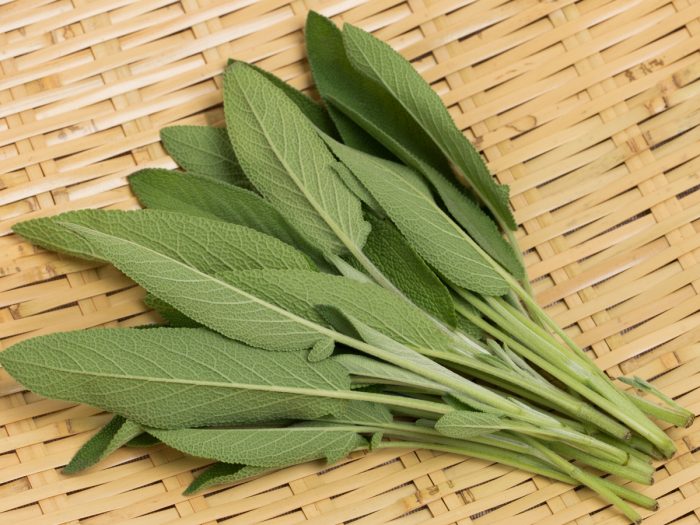
Sage

Benefits – Sage contains the same active ingredient as rosemary, rosmarinic acid, which has proven benefits for arthritis, irritable bowel syndrome and other common inflammatory conditions, including those that affect the skin. Regular use of sage has also been linked to lower levels of oxidative stress, which is often caused by inflammation.
How to Use – Sage can be brewed into a strong, earthy tea for inflammation of the respiratory system and the stomach while adding fresh sage to your meals and culinary attempts can help reduce the symptoms of arthritis, and lower blood pressure, which can reduce headaches.

Rosemary

Benefits – One of the active ingredients in rosemary, rosmarinic acid, has been widely researched in connection with arthritis symptoms. This compound has also been shown to reduce muscle spasms and inflammation in the gut, which can help to settle the stomach and prevent vomiting and diarrhea. The symptoms of Crohn’s disease, another inflammatory autoimmune disease, can also be mitigated by the use of rosemary.
How to Use – The most common use of this herb for inflammatory conditions is in the form of rosemary essential oil, but it can also be added to a variety of dishes. Rosemary leaves can also be made into topical poultices for inflammation.

Garlic

Benefits – Garlic is rich in sulfuric compounds, as well as various antioxidants, including the active ingredient – allicin. This substance is able to reduce inflammation in the cardiovascular system and is also tied to a reduction in oxidative stress throughout the body. Selenium levels are also quite high in garlic, which is linked to soothing arthritis symptoms and easing the pain of inflammatory joint disease.
How to Use – Garlic powder or raw garlic can be added to countless different meals. Garlic extract is also a popular supplement for people to consume on a daily basis. Garlic poultices are also effective topical remedies for inflamed joints and pain.

Black Pepper

Benefits – Thanks to the active ingredient piperine, black pepper is one of the best anti-inflammatory herbs. Black pepper has been shown in research to specifically stop the early inflammatory response of the body to acute injuries and immunity. This can prevent conditions like headaches and flare-ups of gout, as well as symptoms of sinus and gastrointestinal infections.
How to Use – You can add black pepper to hundreds of dishes, or you can soak fresh peppercorns in water overnight and then drink the water in the morning.

Fennel Seeds

Benefits – Fennel seeds have long been known to reduce symptoms of chronic pain and inflammation, particularly following intense physical activity. In terms of your stomach, fennel is often used as a digestive, as it can soothe inflammation and regulate acidity levels in the gut, preventing unpleasant gastrointestinal side effects.
How to Use – Fennel seeds can be added to certain dishes in their whole form, but these seeds can also be ground up and used for other poultices or infusions. Fennel tea is also quite easy to brew and can soothe inflammation in the respiratory system, sinus cavities, and gut.

Followers